I booked an ear wax removal appointment after noticing that one of my ears felt blocked and my hearing seemed more muffled than usual. It wasn’t painful, but it had reached the point where I wanted to get it checked rather than keep hoping it would clear on its own.
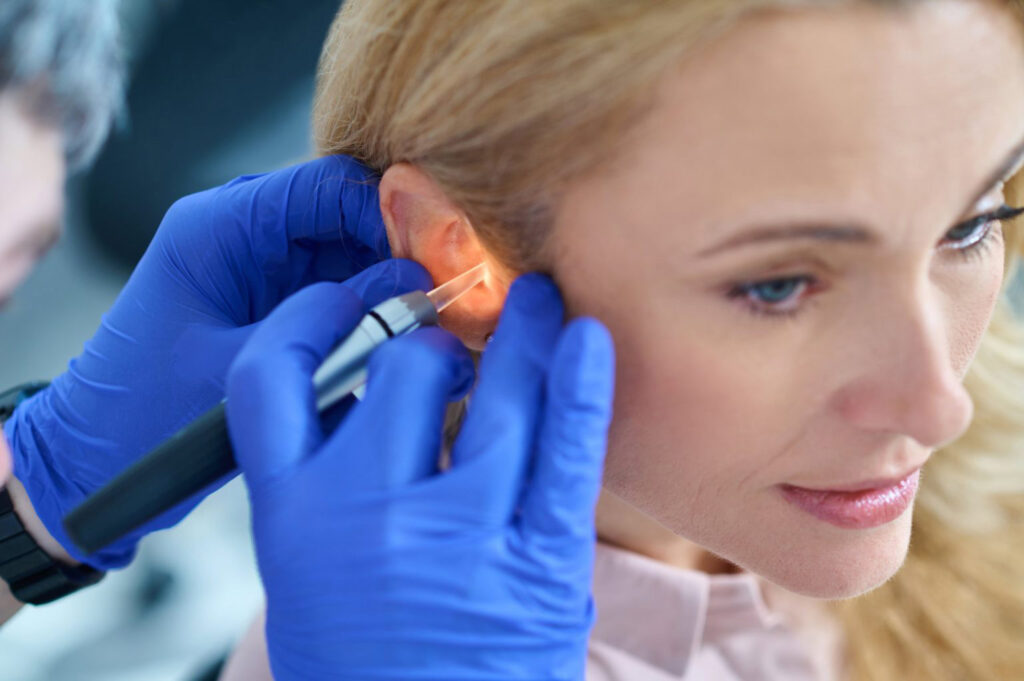
At the appointment, the first thing the practitioner did was look inside my ears. They explained where the wax had built up and talked me through the two methods they use to remove it: water irrigation and microsuction.
It was useful to understand what each treatment actually involved before getting started.
How does water irrigation work?
Water irrigation uses warm water to gently flush wax from the ear canal. The practitioner explained that if the wax is quite hard, it may need to be softened with suitable ear drops beforehand. This helps loosen the wax and makes it easier to remove.
During the treatment, water at around body temperature is introduced into the ear at a controlled pressure. It works its way around the wax and helps bring it out of the ear canal.
It felt a little unusual, but it wasn’t uncomfortable. Once the treatment was finished, my ear was checked again to see whether the blockage had completely cleared.
What happens during microsuction?
Microsuction ear wax removal doesn’t use water, instead, the practitioner looks into the ear using magnification and carefully removes the wax with a very fine suction tube. Because they can see inside the ear throughout the treatment, they can work gradually around the wax.
Before starting, I was warned that the suction could sound quite loud. It does sound strange when it’s happening inside your ear, but knowing what to expect made a difference.
For me, microsuction wasn’t painful. There was a slight pulling sensation at times, but the treatment itself was straightforward and didn’t take long.
Microsuction or water irrigation?
I’d assumed one method would be better than the other, but the practitioner explained that it really depends on the individual.
Water irrigation uses warm water to help flush softened wax from the ear, while microsuction removes the wax using gentle suction.
The amount and consistency of the wax, along with your ear health and medical history, can all affect which method is more appropriate.
How did my ears feel afterwards?
The biggest thing I noticed was how much clearer everything sounded. Because the blockage had happened gradually, I hadn’t realised how much I’d become used to the muffled feeling.
If you’re experiencing blocked ears, muffled hearing or a build-up of ear wax, having your ears professionally checked can help establish what’s causing the problem and whether wax removal is appropriate.
At The Hearing Quarter, your ears can be assessed before treatment and the most appropriate ear wax removal method, including water irrigation or microsuction, can be discussed with you.
This is for general information and does not replace individual medical advice.